We update this every week — sometimes more than once, depending on what's coming in off the truck. Every plant on this page is one we'd put in our own yards, with notes on how to keep it alive through a North Texas summer.
If you see something you want, call ahead or just come on out. We can't ship anything; we can put your name on a tag.
— Katherine
In the yard right now
perennial · 3edible · 1tree & shrub · 4
tree & shrubIn stock this week
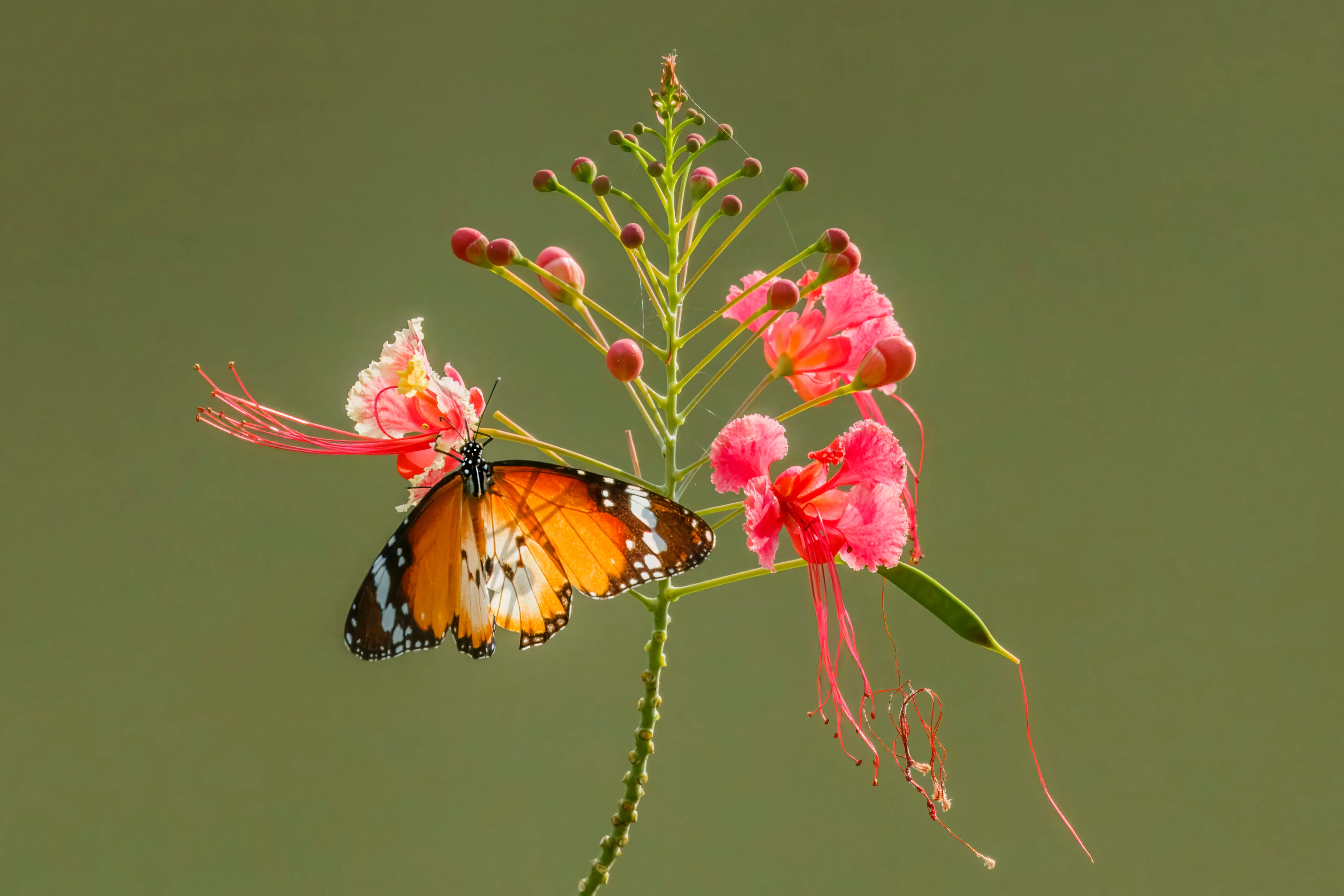
Pride of Barbados
Caesalpinia pulcherrima
If you want one plant that says 'this is North Texas in August,' this is it. Orange-red blooms when nothing else is doing anything but suffering. We treat it as a die-back perennial — it'll freeze to the ground in a normal winter and come right back. Plant it where you'll see it from the kitchen window.
— Katherine
Blooms
Jun – Oct
Zone
8 – 11
Sun
full
Soil
well-drained · likes our heat
Mature size
8 – 12 ft (returns from roots after a hard freeze)
tree & shrubIn stock this week
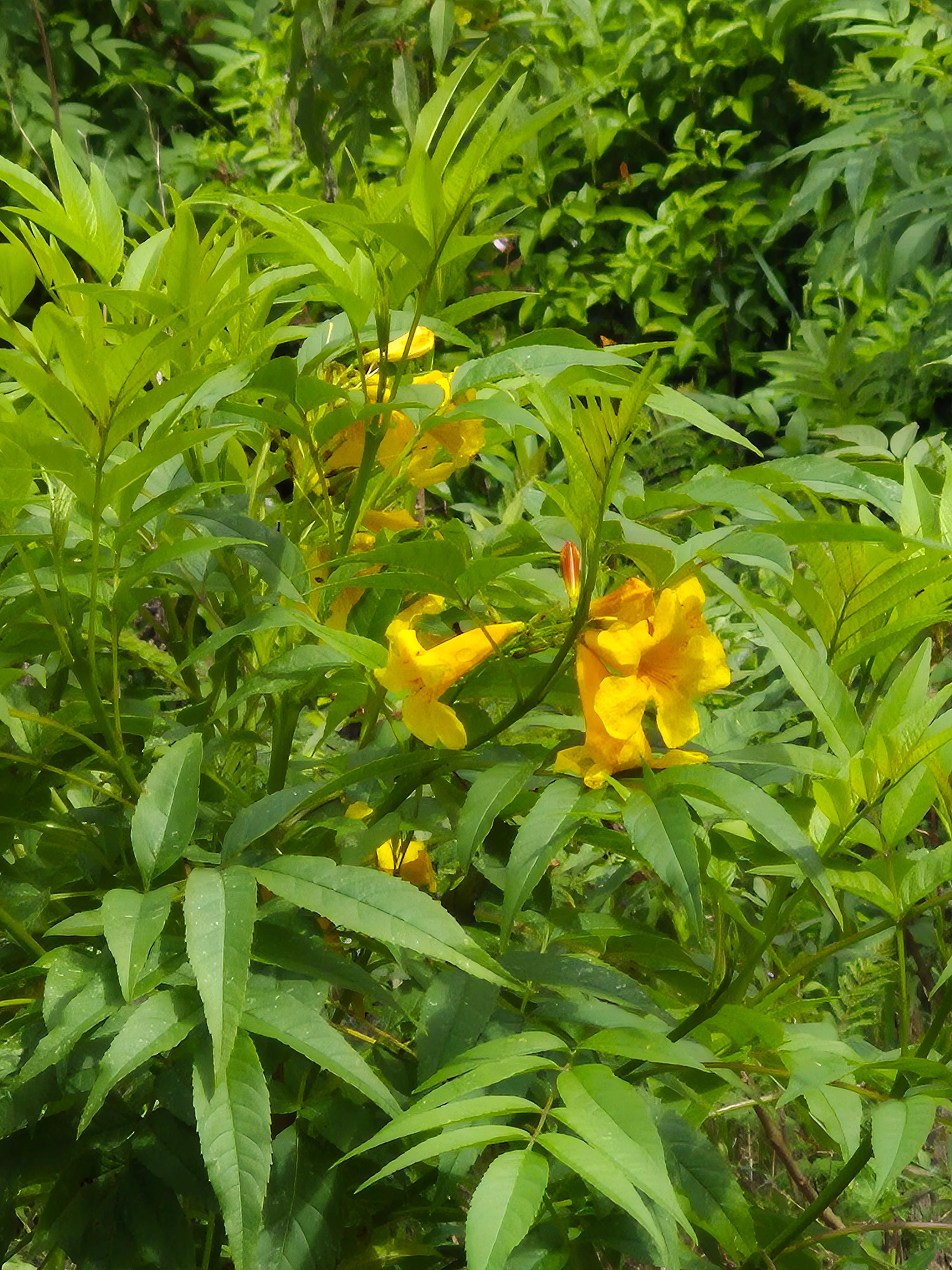
Esperanza · Yellow Bells
Tecoma stans
Big trumpet-yellow blooms from late spring until first frost. Hummingbirds and orioles work it all summer. Like Pride of Barbados, treat it as a die-back perennial here — it'll come back stronger every year. We get ours from a grower in the Hill Country who knows what makes it through a North Texas winter.
— Katherine
Blooms
May – Oct
Zone
8 – 11
Sun
full
Soil
well-drained · drought tolerant
Mature size
5 – 8 ft
perennialIn stock this week
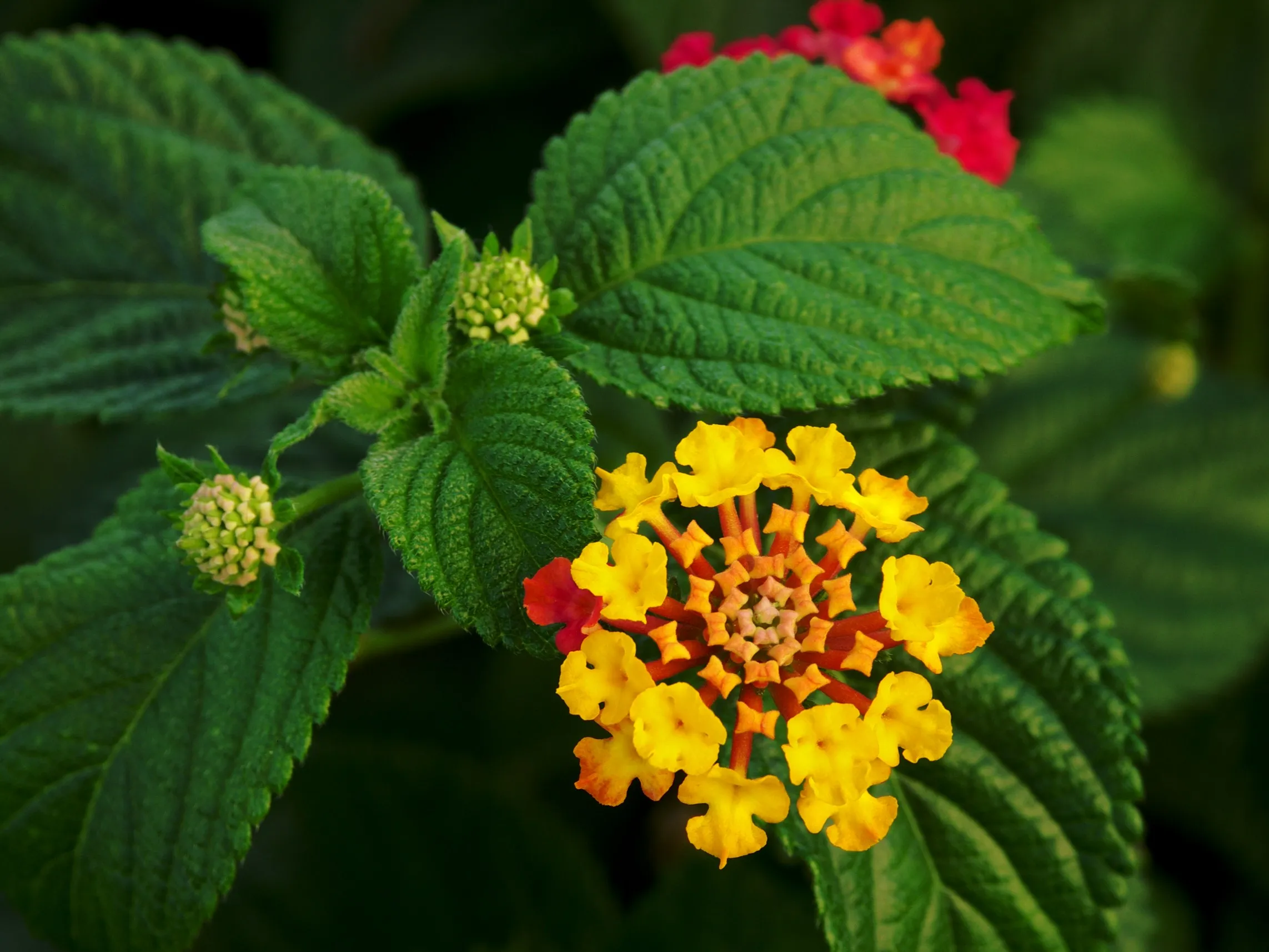
Lantana
Lantana camara 'Dallas Red'
Lantana laughs at 102°. Butterflies love it. Deer don't. If yours stops blooming in July, you're being too kind with the water — back off, let it stress a little, and the flowers come right back. This is a Wichita Falls–tough plant in the truest sense.
— Katherine
Blooms
May – frost
Zone
8 – 11
Sun
full
Soil
tolerates almost anything · prefers dry
Mature size
3 – 4 ft
perennialIn stock this week
Autumn Sage
Salvia greggii 'Furman's Red'
Hummingbirds line up for this one. I've had Salvia greggii in my front bed for eleven years — through the 2021 freeze, through the August we hit 107, through everything. Cut it back hard in February and it comes back like nothing happened.
— Katherine
Blooms
Apr – Oct
Zone
7b – 9
Sun
full
Soil
tolerates our clay
Mature size
2 – 3 ft
perennial
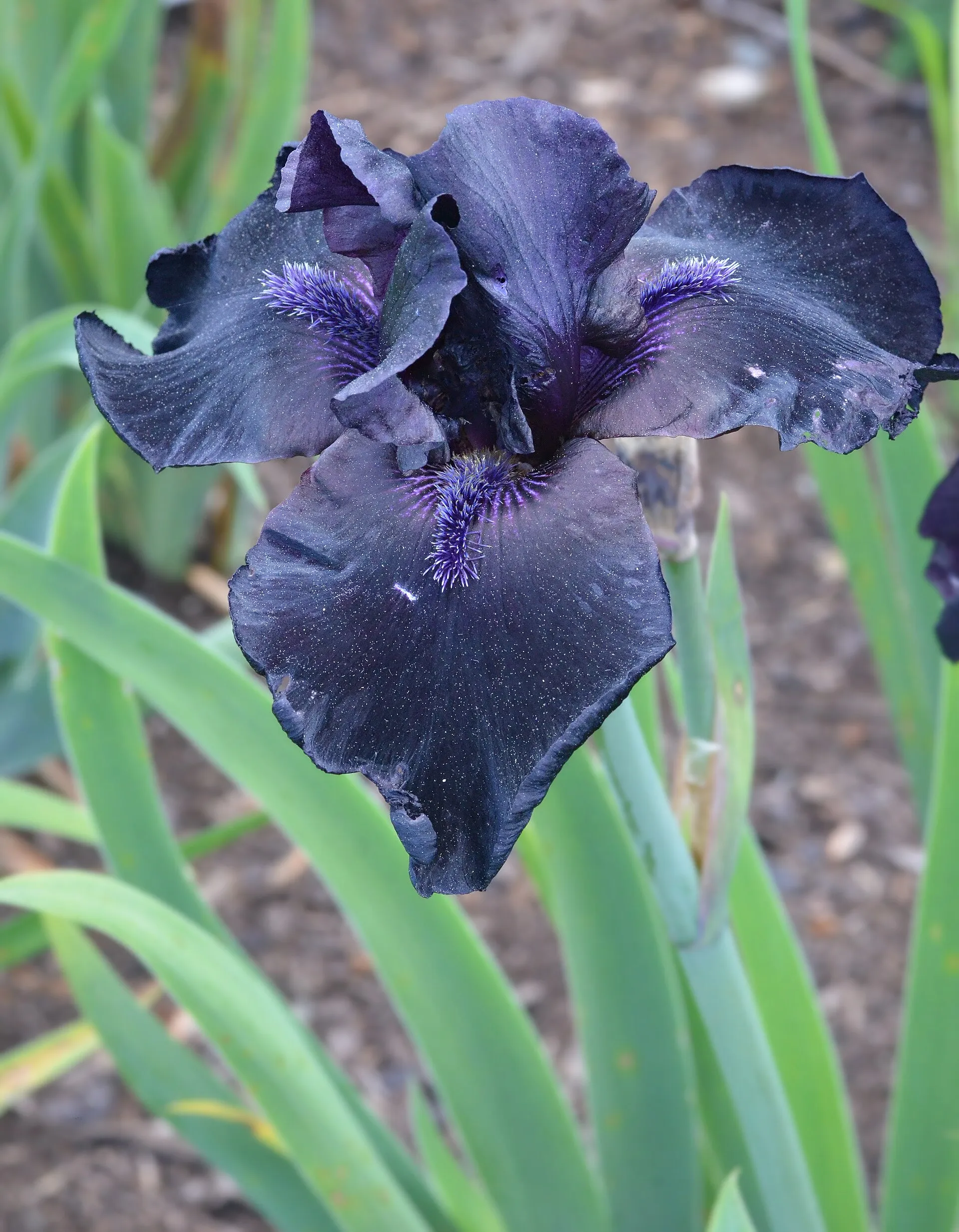
Bearded Iris
Iris × germanica
If your grandmother had irises, they're probably still alive somewhere — this is the toughest perennial in the lineup. Plant the rhizomes barely covered, not buried; they want to bake a little in our sun. Divide every three or four years and you'll have enough to share with the neighbors. Which is the right way to grow iris.
— Katherine
Blooms
Apr – May
Zone
3 – 9
Sun
full
Soil
anything well-drained · hates wet feet
Mature size
24 – 36 in
edibleIn stock this week
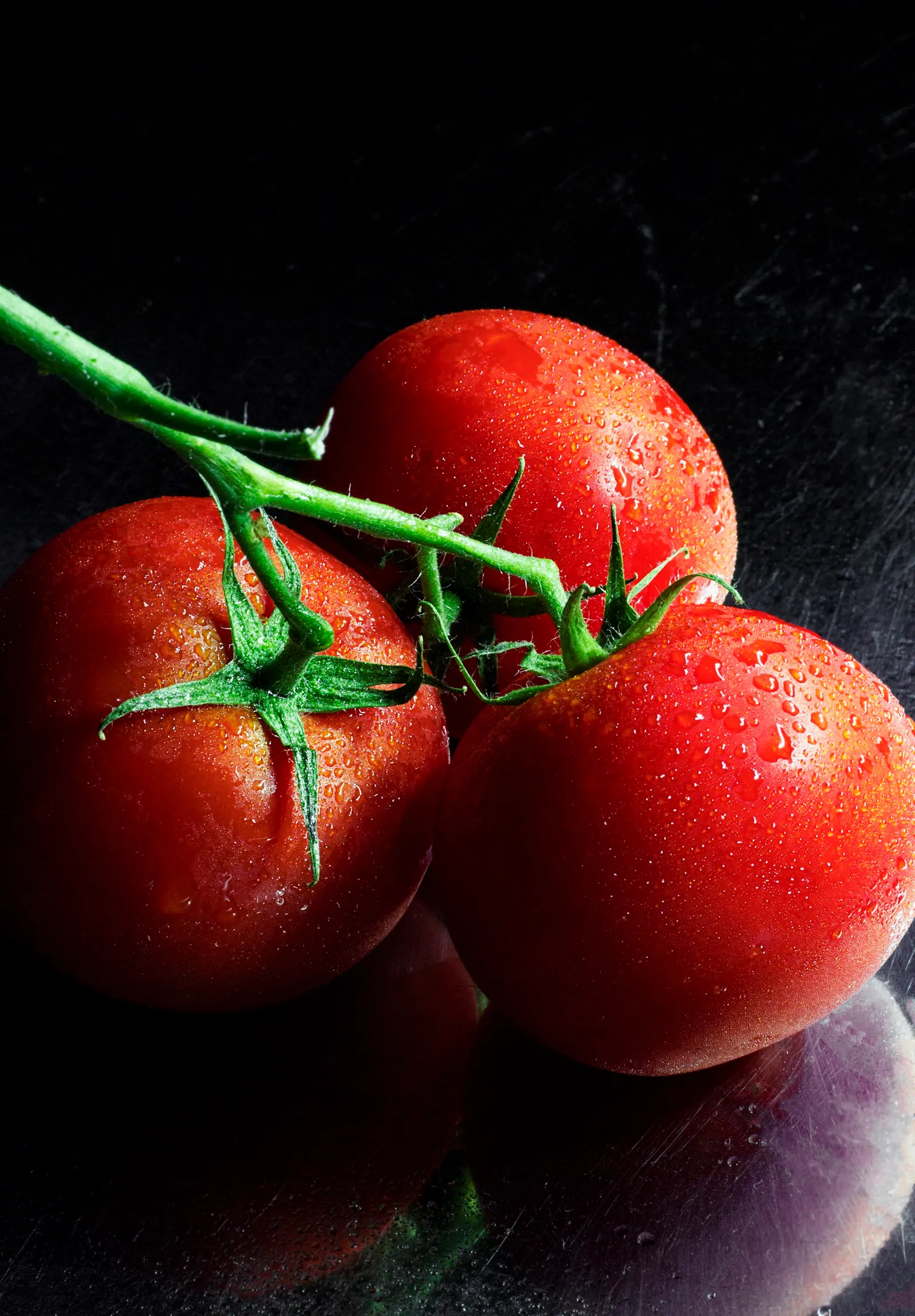
Cherokee Purple Heirloom Tomato
Solanum lycopersicum 'Cherokee Purple'
The best-tasting tomato we sell, full stop. Smoky, sweet, almost meaty. The catch: get it in the ground by mid-April or you'll be fighting heat by the time it sets fruit. We start ours in early March in the greenhouse so they're hardened off when you take them home. One plant feeds a family for weeks.
— Katherine
Blooms
fruit Jul – Sep
Zone
annual everywhere
Sun
full
Soil
rich · amended with compost
Mature size
5 – 7 ft (stake or cage)
tree & shrubIn stock this week
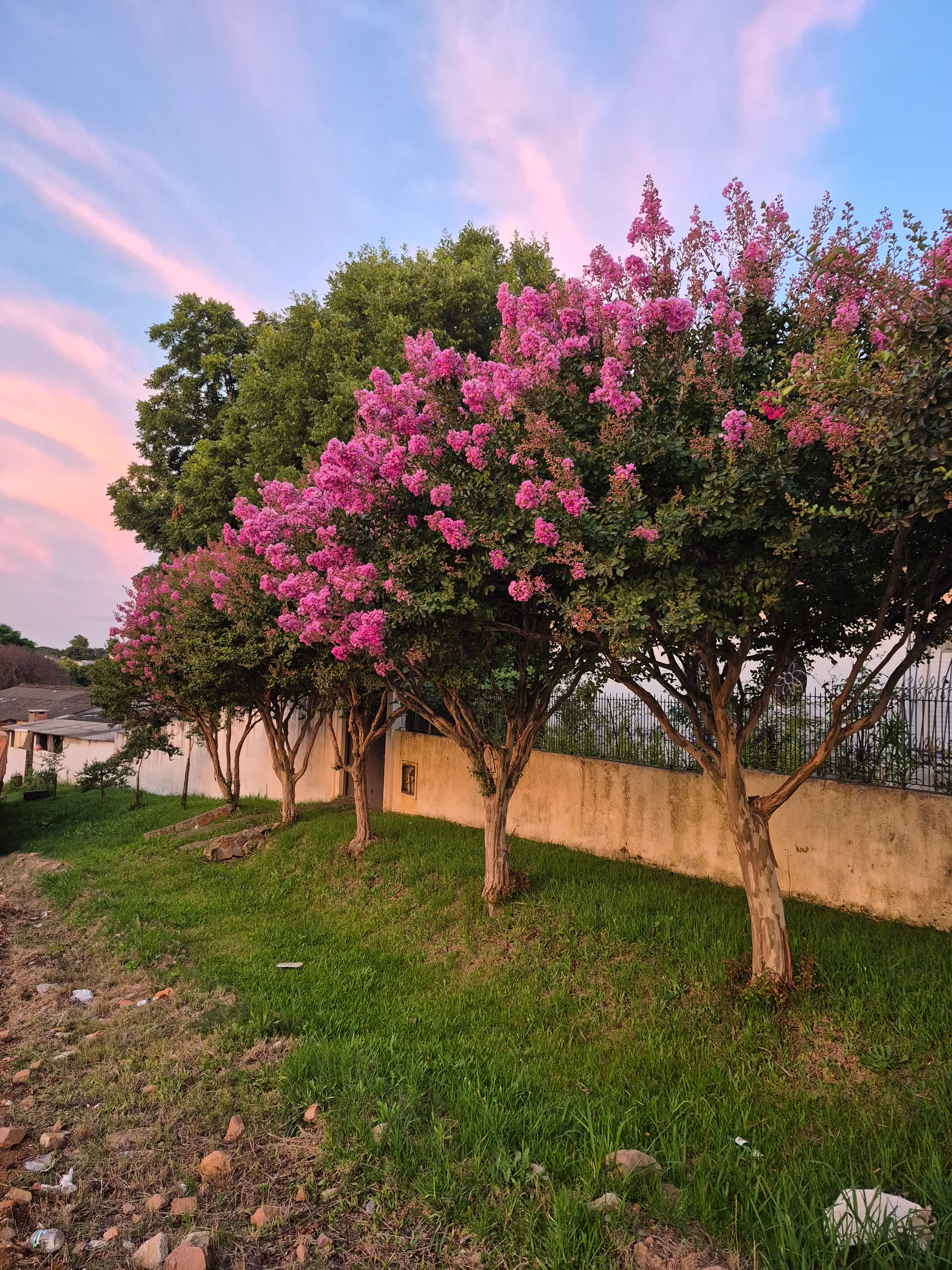
Crape Myrtle
Lagerstroemia 'Natchez'
'Natchez' has white blooms and cinnamon bark that peels — the most beautiful winter trunk in the lineup. Plant it once, water it twice a week the first summer, and you'll have a 25-foot tree in eight years. **Please** don't whack it down to a stub every February. That's not pruning, that's crape murder. Ask us and we'll show you the right cuts.
— Katherine
Blooms
Jun – Sep
Zone
6 – 9
Sun
full
Soil
any · including our clay
Mature size
20 – 25 ft
tree & shrubIn stock this week
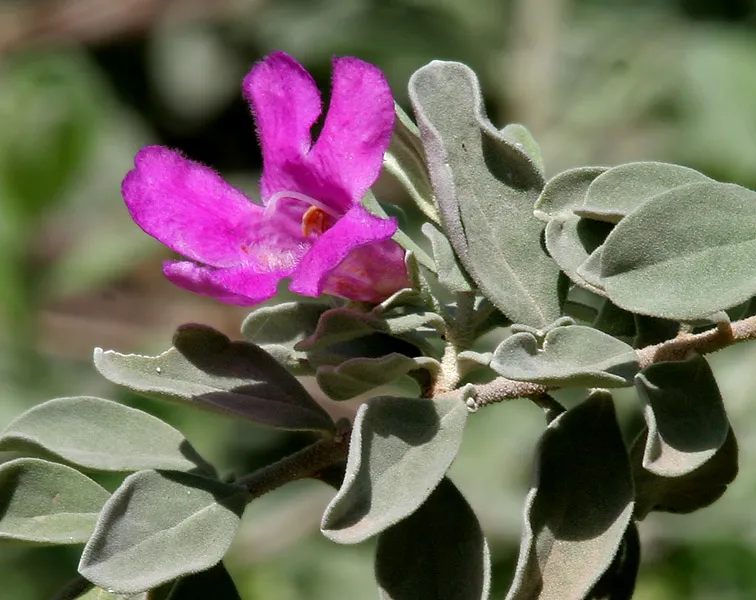
Texas Sage · Cenizo
Leucophyllum frutescens
Silvery foliage year-round and purple blooms that show up two or three days after a good summer rain — locals call it the 'barometer bush.' Native to the Chihuahuan desert, so it's perfectly happy here. The only way to kill it is overwatering. If you've got a hot, west-facing spot where nothing else makes it, this is your plant.